There’s a particular kind of alchemy that happens when familiar pieces come together in unfamiliar ways. Pieces we have dragged along through our twenties and out of nostalgia.
Those items don’t even have to be singular garments but out of their lack of singularity they become archetypes. Shapes and staples we have known our entire life, quietly reworked until they feel entirely of the moment.
The Cardigan with a rebellious structure
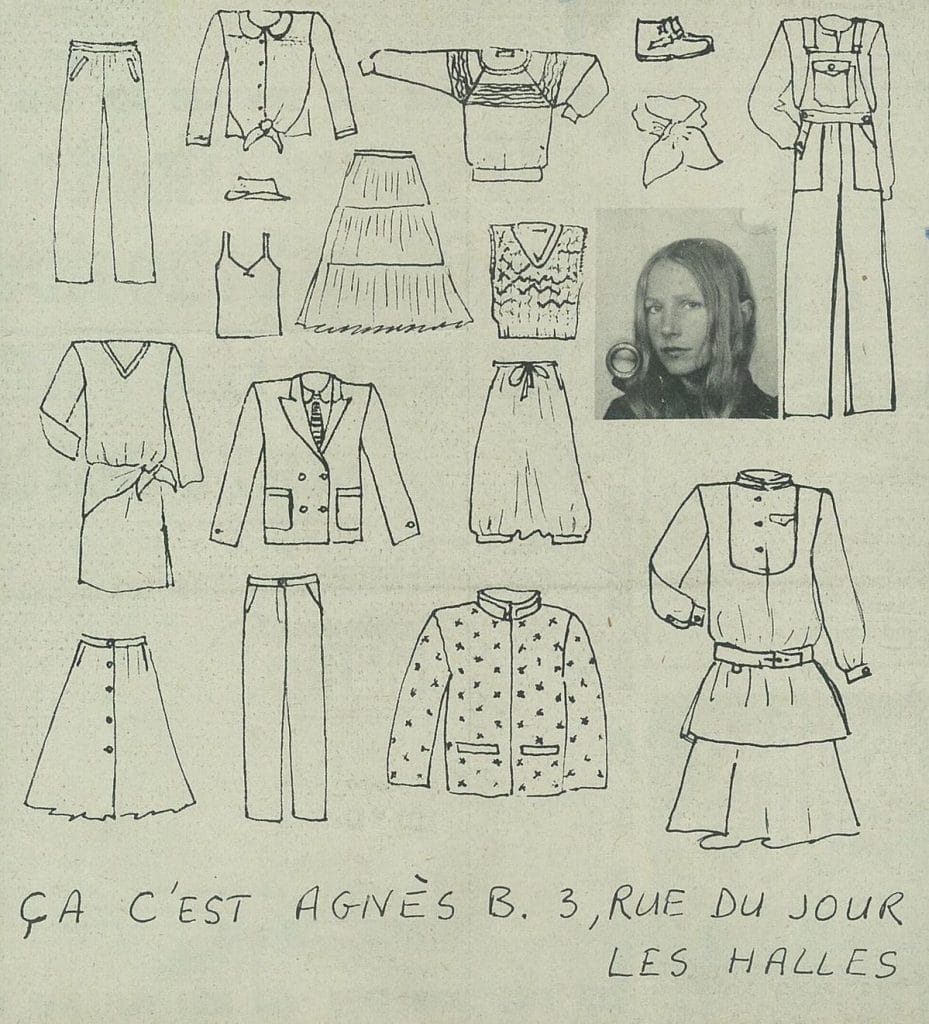
I’ve owned more cardigans that I could ever count since then but a black one with subtle volume in the sleeves and a clean, collarless neckline is my go-to. The history of the cardigan can be traced to the Crimean War in the 19th century, and is named after the British officer who wore a knitted waistcoat.
Although the cardigan borrows its authority from classic tailoring, it compliments the proportions enough to make it feel more modern. It also sharpens our favourite pair of jeans, refines our shirts, and reframes silhouettes that would otherwise look too casual for any occasion. When worn over a crisp shirt instead of a blazer that would feel too strict, the cardigan becomes something slightly mischievous.
While it was born from military pragmatism, just like most of our favourite fashion staples, the cardigan eventually softened into domestic comfort, tamed inside the best wardrobes.
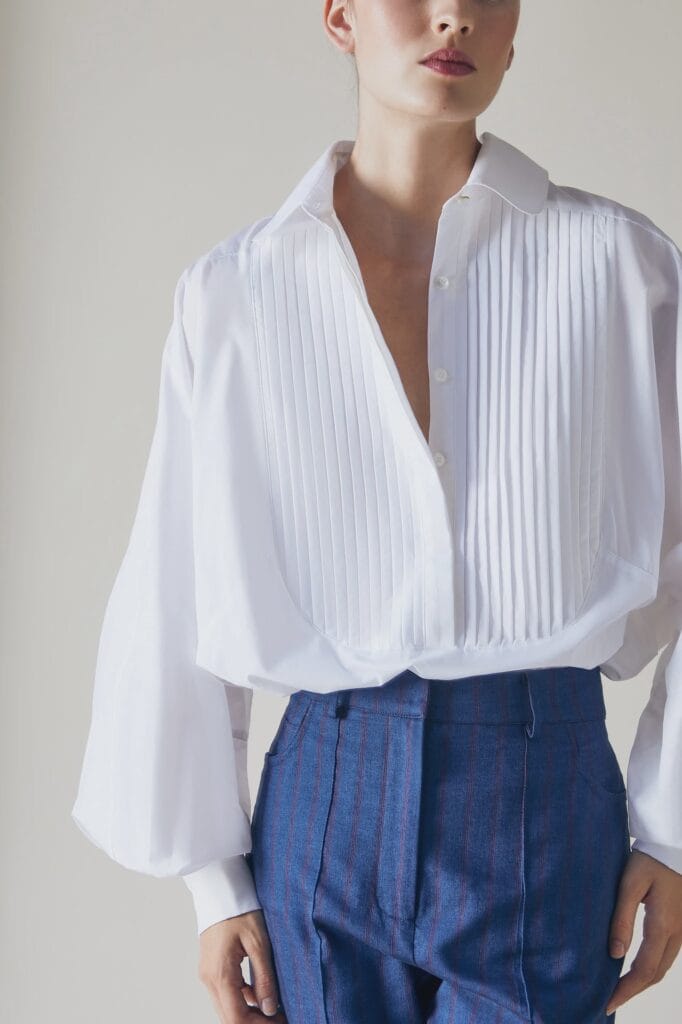
The Shirt, Reconsidered
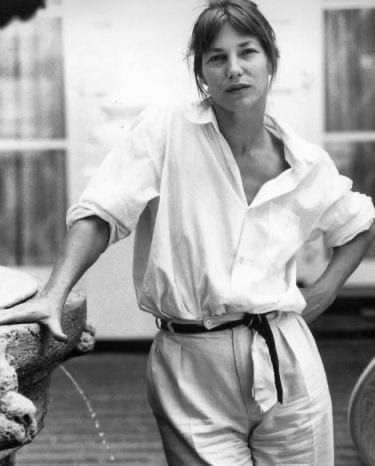
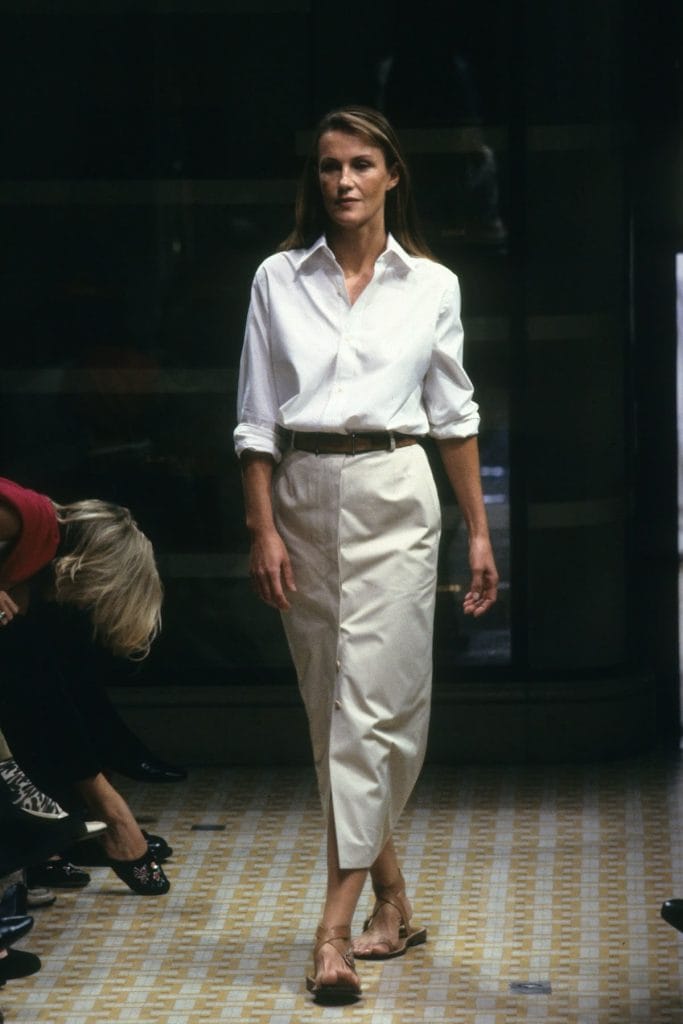
But what really makes a shirt iconic is its split personality: crisp and buttoned-up in the morning, then casually undone in the evening.
Denim: The New Proportion
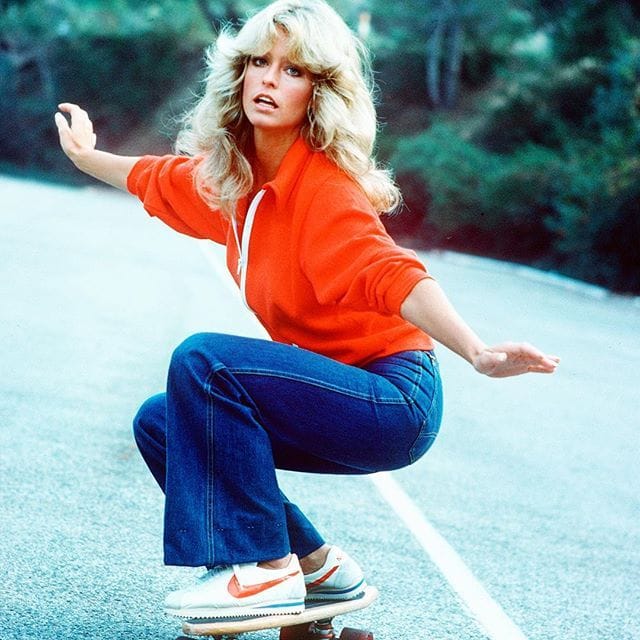
When it comes to denim, the first image that comes to my mind is of Farah Fawcett cruising on her skateboard. Wide-leg jeans, barrel-leg, skinny jeans or straight-fit with a clean, elongated line are doing what great denim always do: absorbing the mood of the moment for an entire generation.
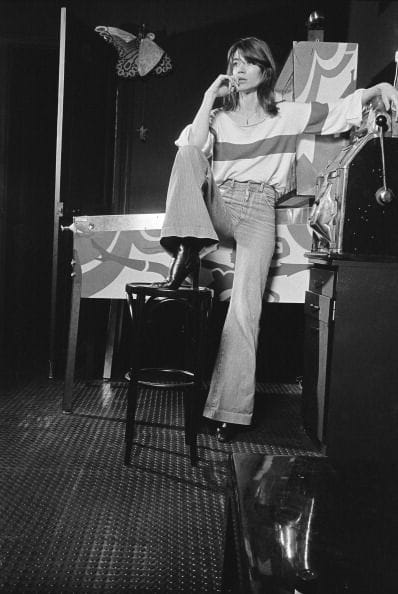
My go-to will always be the high rise and full leg that create a column-like silhouette and make me feel both grounded and elevated. Because there’s a certain architectural quality to this shape specially for those of us with an average height. It lengthens, anchors, and balances the more detailed pieces above. It’s less about nostalgia, (you know, that 70’s boot-cut that we all had at least once in our lives), but more about proportions. Denim, here, isn’t casual, it’s compositional.